How Often Should You Antifoul Your Boat in Malta?
Most boats in Malta are antifouled once a year – but mooring, usage and paint type can change that. Here’s how to work out when your boat is due.
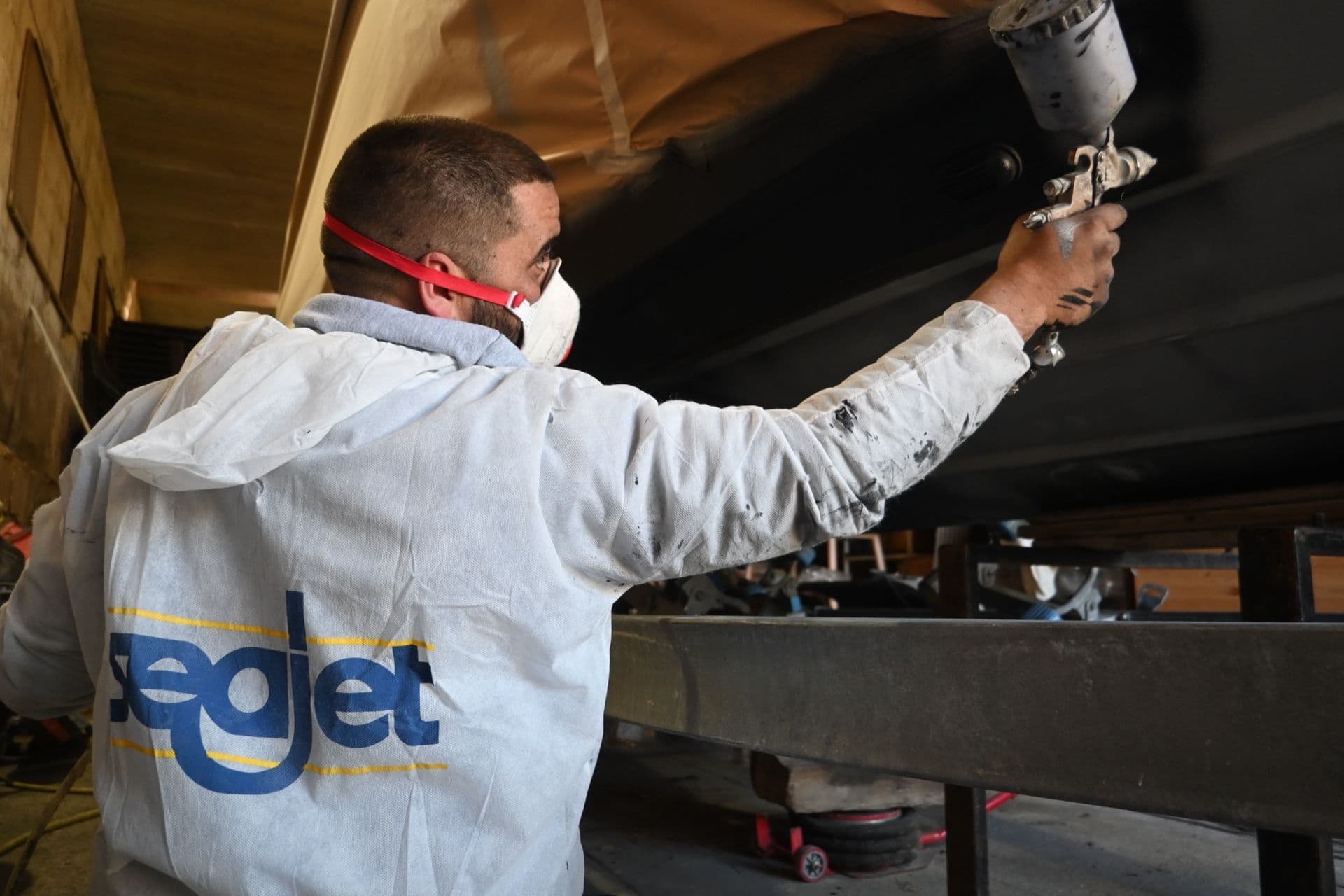
How often should you antifoul a boat in Malta? For most boats kept in the water, the answer is once a year. Malta’s warm water and long season are hard on antifouling. Even so, some boats can stretch it, while others need attention sooner. This guide explains why, what changes the timeline, and how to tell when your hull is due.
Why Boats Foul Faster in Malta
Marine growth thrives in warm, sunlit water. Malta’s sea stays warm for much of the year. As a result, slime, weed and barnacles keep settling on a hull for far longer than in northern Europe, where cold winters slow growth down.
There’s also less of an off-season. Many boats in Malta are used from spring well into autumn – and some all year round. Fewer boats spend months ashore, so the antifouling is working for most of the year.
The General Rule: Once a Year
Antifoulings are generally designed to protect a hull for about a season. In Malta, that means an annual haul-out and recoat is the sensible default for a boat that lives in the water. Doing it on a regular cycle also keeps preparation simple: a sound coating only needs a wash and a light sand before the new coats go on.
Leaving it longer rarely saves money. Once the antifouling is exhausted, growth takes hold quickly. The boat gets slower and thirstier, and cleaning off hard growth adds work to the next job.
What Changes the Timeline
Where the boat is moored
Boats in sheltered marinas and harbours, where the water is calmer and often richer in nutrients, tend to foul faster than boats moored in more open, moving water.
How often the boat moves
This matters more than many owners expect. Self-polishing antifoulings – like the Seajet range we use – wear away slowly as water moves past the hull, exposing fresh biocide. A boat that goes out regularly keeps its coating working. A boat that sits for weeks on end gives growth a chance to settle, even on good paint.
Boat speed
Faster boats put more wear on the leading edges, the rudder and the waterline. Every antifouling has a recommended maximum speed – Seajet 033 Shogun, for example, is rated for boats up to around 40 knots. Choosing a product to suit how fast the boat goes helps it last the season.
The paint itself – and how much went on
Two full coats, with an extra coat on high-wear areas, will last noticeably longer than a single thin coat. Premium systems are formulated for longer or tougher service. Furthermore, the right product for your hull material keeps the coating sound – aluminium hulls, for instance, need a compatible, copper-free product such as Seajet 038 Taisho.
Time out of the water
If your boat is lifted out for the winter, the antifouling isn’t working while it’s ashore. Even so, most products shouldn’t be left exposed to air for too long before relaunching – check the datasheet, or ask us.
When Is the Best Time to Antifoul in Malta?
For most owners, spring – before the main season starts – is ideal. The boat goes back in with a fresh coating just as growth picks up and the boat gets most use. Booking early also means you’re not competing with everyone else for space in the yard. For more on timing, see The Best Time to Antifoul in the Mediterranean.
Signs Your Boat Is Overdue
You don’t always need to haul out to know. Look out for:
- Slower speed and higher fuel use at your usual revs
- Sluggish handling or the boat feeling heavier
- Green or brown slime that comes back quickly after a clean
- Weed or barnacles on the hull, keel, rudder or running gear
- Exposed primer or bare patches, often on the leading edges and the waterline
If you’re seeing any of these, it’s worth a closer look. Our guide to the signs your antifouling has failed goes into more detail.
Can a Hull Clean Buy You Time?
A careful in-water or lift-and-wash clean can help mid-season, especially if growth is only light. Bear in mind, though, that aggressive scrubbing removes antifouling along with the growth. A clean is a short-term fix, not a replacement for recoating.
Questions We’re Often Asked
Can I go two years between antifouling? It’s possible for boats that spend a lot of time out of the water or are used very regularly. However, for a boat afloat all year in Malta, it usually costs more in the end – in fuel, performance and preparation.
Do I need to remove the old antifouling every year? No. If the existing coating is sound and compatible, a wash and a light sand to key the surface is enough. Full removal is only needed when the paint is flaking or has built up over many years.
Does a new boat need antifouling straight away? Yes, and it needs the right primer system first. A new gelcoat hull is usually primed – for example with a two-part epoxy primer such as Seajet 117 – before the first antifouling goes on.
Book Your Antifouling With MMR
Not sure whether your boat is due now or can wait? We’ll take an honest look at the hull and tell you – and if it’s time, we’ll recommend a system suited to how and where you use the boat. Doing it yourself? Our antifouling calculator works out how much Seajet paint you need. Or see our antifouling application service in Malta, or read what affects the cost of antifouling.
Book a hull inspection or message us on WhatsApp.