
WEST SYSTEM
WEST SYSTEM
Service
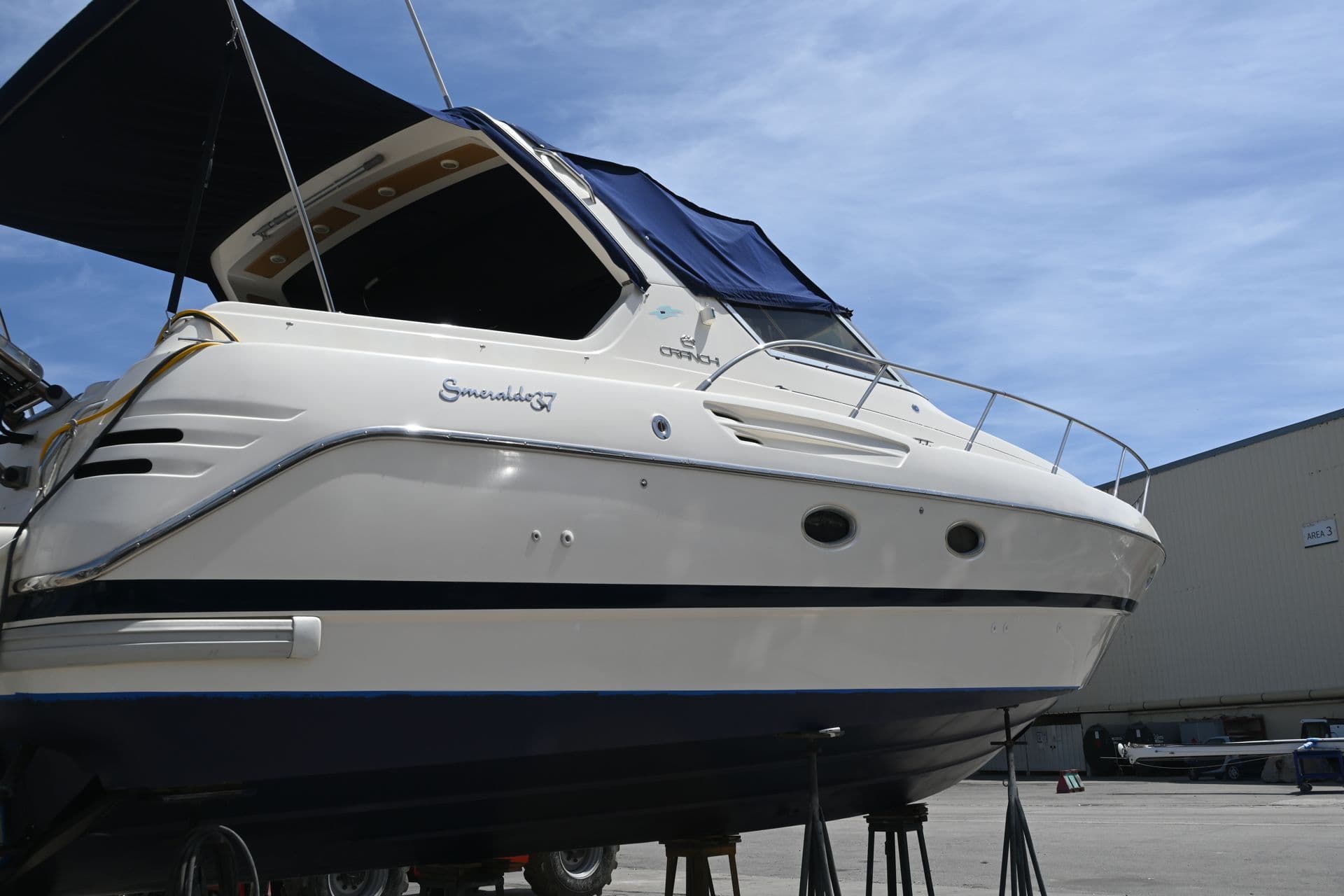
Osmosis is the blistering you find under the waterline of older fibreglass boats, when water works its way through the gelcoat into the laminate. Left alone it spreads. We check the hull, explain how far it has gone, and treat it properly: open up, dry out, and seal the hull with an epoxy barrier coat.
What's included
We inspect the underwater hull and take moisture readings, so you know whether you are looking at a few cosmetic blisters or osmosis that needs full treatment.
The affected gelcoat is removed and the laminate is left to dry out properly. Drying is the step that can't be rushed.
Damaged laminate is repaired, the hull is faired and built up with several coats of epoxy barrier coat, then primed and antifouled.
Get in touch with our experienced team. Send us photos from the haul-out and we'll tell you what they mean.
Not every blister is osmosis. We tell you what you actually have before recommending treatment.
Sealing a wet hull just traps the problem. We don't apply the barrier coat until moisture readings say the laminate is dry.
The barrier coat is built up to the thickness the manufacturer specifies, so it keeps water out for years.


Gelcoat isn't completely waterproof. Over years in the water, moisture passes through it and reacts with chemicals in the laminate, forming an acidic liquid that pushes the gelcoat up into blisters. It mostly affects older GRP boats, and it develops faster in warm water like Malta's. Read the full explanation: what is osmosis boat treatment?
A new or newly treated hull benefits from an epoxy barrier coat before the first antifouling, and from time out of the water at haul-outs. Keep an eye on blisters at every haul-out – the earlier osmosis is caught, the smaller the job.
Most of the time is drying, which depends on how wet the laminate is and the weather – from weeks to months. The cost depends on the size of the boat, how much of the hull is affected and how much laminate needs repairing. The survey tells us both, and we'll give you a clear quote before work starts.
Osmosis treatment is done with the boat on the hard, at any boatyard in Malta or Gozo.
It is rarely dangerous straight away, but it gets worse over time and can weaken the laminate. It also lowers a boat's value, so it's worth treating.
No. Some blisters are only in the paint or antifouling layers. A survey and moisture readings show whether it is true osmosis.
The drying time decides it – anywhere from a few weeks to a few months, depending on how wet the hull is.
It depends on the boat's size and how far the osmosis has gone. We survey the hull first and give you a quote before any work starts.
A properly dried hull sealed with a full epoxy barrier coat is very well protected. We check it at future haul-outs.
The products we use
WEST SYSTEM
WEST SYSTEM
WEST SYSTEM
WEST SYSTEM
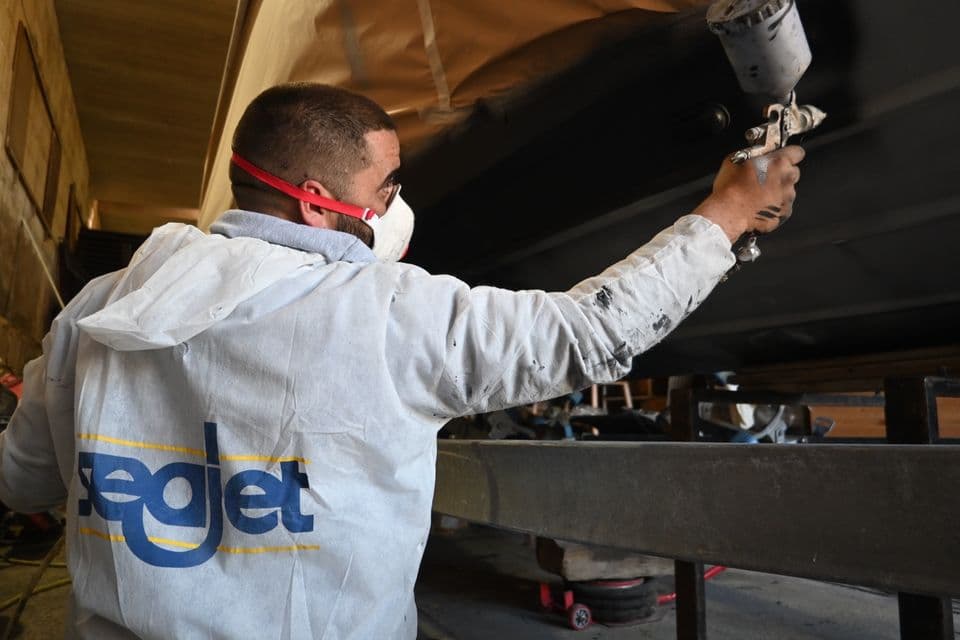
Hull preparation and Seajet antifouling applied by our team, anywhere in Malta and Gozo.
Learn more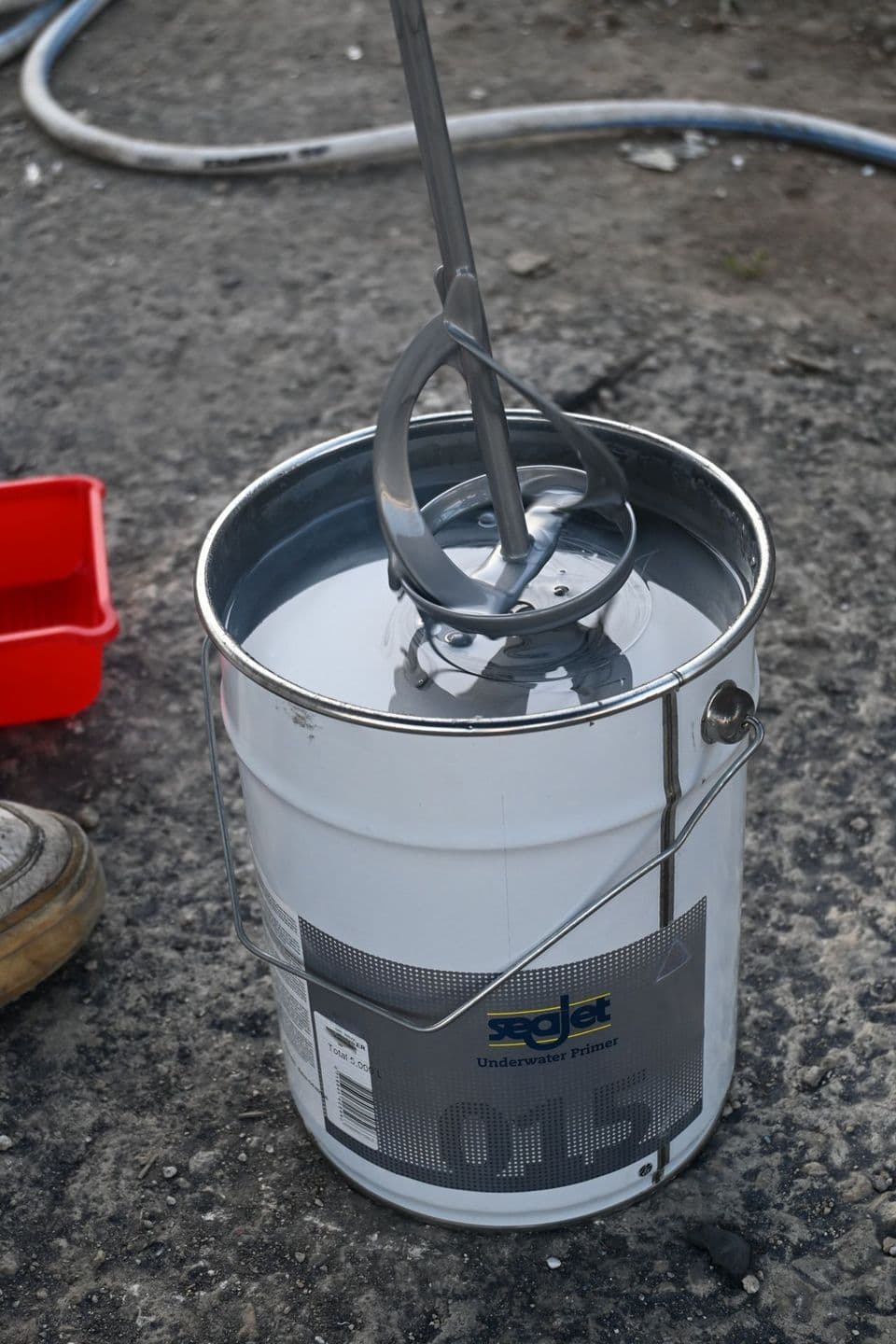
Structural and cosmetic epoxy and fibreglass repairs to hulls, decks and keels, anywhere in Malta and Gozo.
Learn more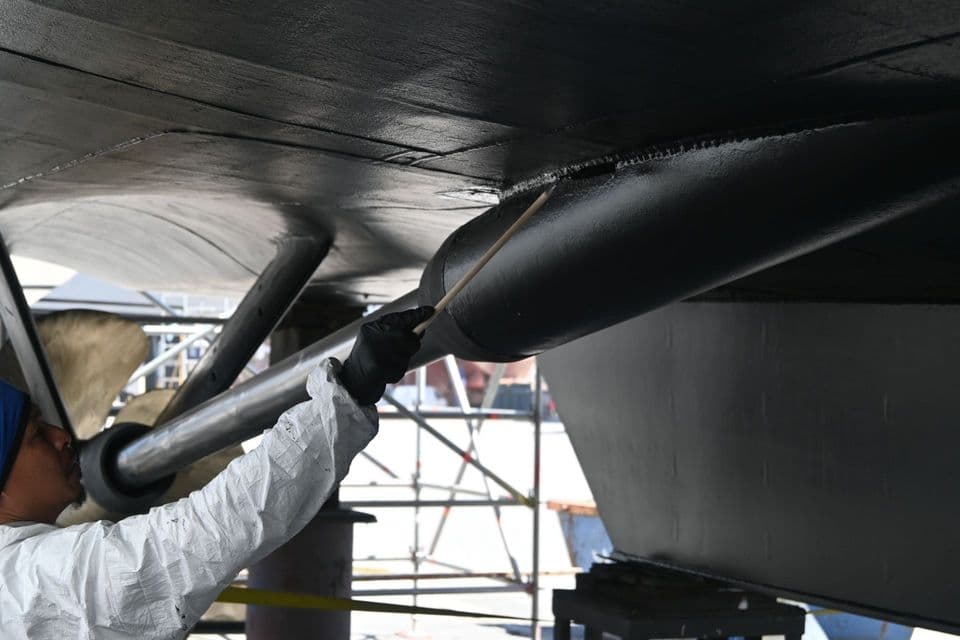
Gelcoat chips, scratches, cracks and dull or oxidised hulls repaired and restored, anywhere in Malta and Gozo.
Learn more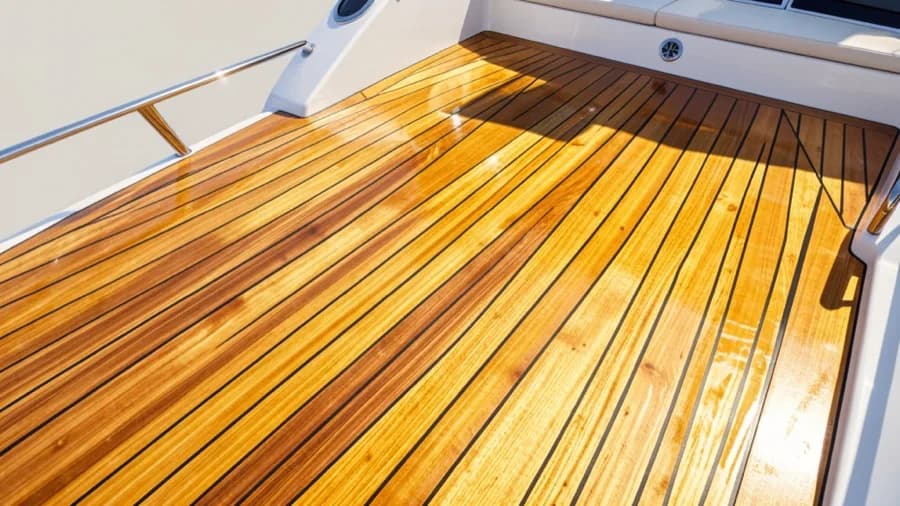
Teak deck re-caulking, sanding, cleaning, protection and plank repairs, anywhere in Malta and Gozo.
Learn more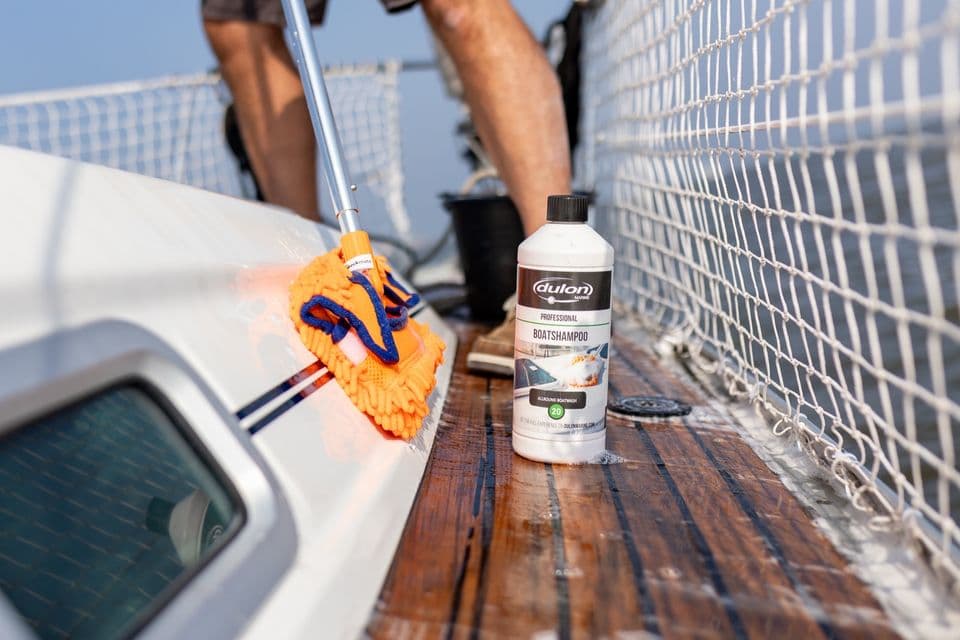
Boat washing, hull and topside polishing, gelcoat restoration and detailing, anywhere in Malta and Gozo.
Learn more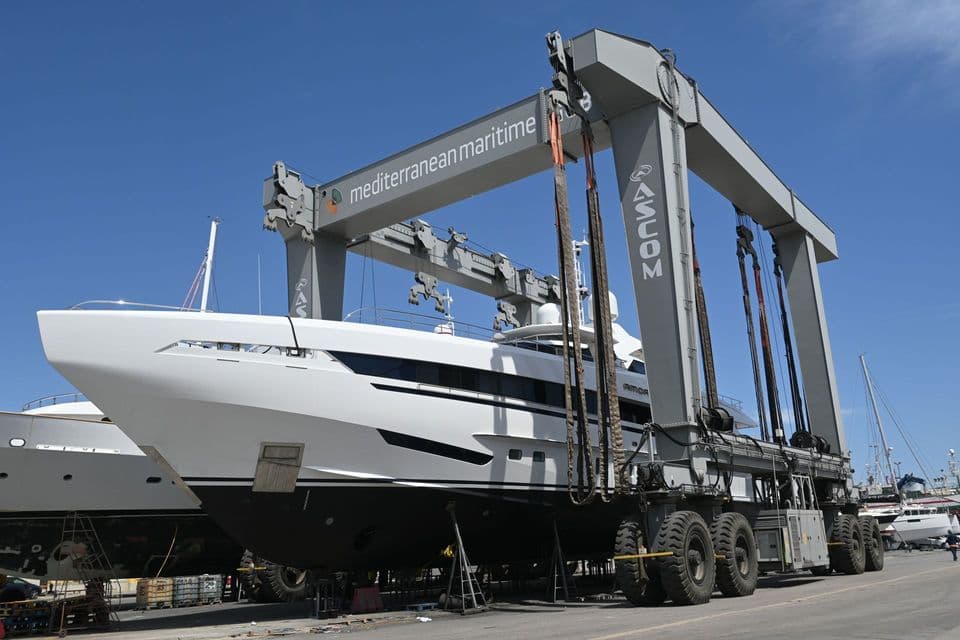
Inspections, servicing, touch-ups and seasonal preparation for yachts and boats, anywhere in Malta and Gozo.
Learn more