Fibreglass Repair Cost in Malta: What to Expect
What does fibreglass repair cost in Malta? What drives the price – type and depth of damage, location, materials and finishing – and how to get an accurate quote.
Ask anyone what a fibreglass repair costs in Malta and you’ll get the same answer: it depends on the damage. That’s true, but it isn’t much help when you’re looking at a crack in your hull. This guide explains what actually drives the price of a fibreglass repair, what a proper repair involves, and how to get a quote you can rely on.
The Short Answer
A fibreglass repair is priced mainly on time, plus materials and finishing. The things that decide how much time a job takes are:
- whether the damage is cosmetic or structural
- how big and deep it is
- where it is on the boat
- how the repair needs to be finished – painted, gelcoat-matched, or antifouled
Cosmetic vs Structural Damage
This is the single biggest factor.
Cosmetic damage is limited to the gelcoat or paint on the surface – scratches, small chips, scuffs from fenders and pontoons, and star or spider cracks (crazing). The laminate underneath is sound. These repairs are usually quick: the damage is opened up, filled, faired and finished.
Structural damage goes into the laminate – the layers of glass and resin that give the hull its strength. It includes impact damage, punctures, delamination (layers separating), cracks around fittings, keels and rudders, and wet or rotten core material. These repairs take longer because the damaged material has to be removed and the laminate rebuilt properly.
It isn’t always obvious which one you have. A small crack on the surface can hide damage underneath, which is why we always assess first.
What a Proper Structural Repair Involves
Understanding the steps helps explain the price:
- Assessment. We inspect the damage, sound the area around it to find how far it really goes, and check for moisture.
- Cutting back. All damaged and wet material is ground out until we reach sound laminate.
- Scarfing. The edges of the repair are ground to a long, shallow taper. This gives the new laminate a large area to bond to, so the repair is as strong as the surrounding hull – not a patch sitting on top.
- Rebuilding the laminate. New layers of glass cloth are laid up with epoxy to restore the original thickness and strength.
- Filling and fairing. The surface is filled and sanded smooth so it follows the shape of the hull.
- Finishing. Gelcoat, paint, primer and antifouling – whatever that area of the boat needs.
Each stage needs time to cure before the next, so even a modest structural repair takes several days.
Size and Depth
Bigger damage takes more material and more labour. Depth matters even more than size. A wide, shallow scrape can be quicker to fix than a small puncture that goes right through the laminate, because the puncture has to be rebuilt from both sides.
Location on the Boat
Where the damage is affects both access and the standard of finish needed:
- Below the waterline – the repair has to be watertight and is usually finished with a barrier coat, primer and antifouling.
- Topsides and decks – very visible, so matching the colour and shine of the surrounding gelcoat or paint takes extra care.
- Keel and rudder areas – often take knocks from groundings, and need to be strong as well as fair.
- Tight or awkward spots – around fittings, inside lockers or near the engine – take longer simply because they’re harder to reach.
Materials Make a Difference
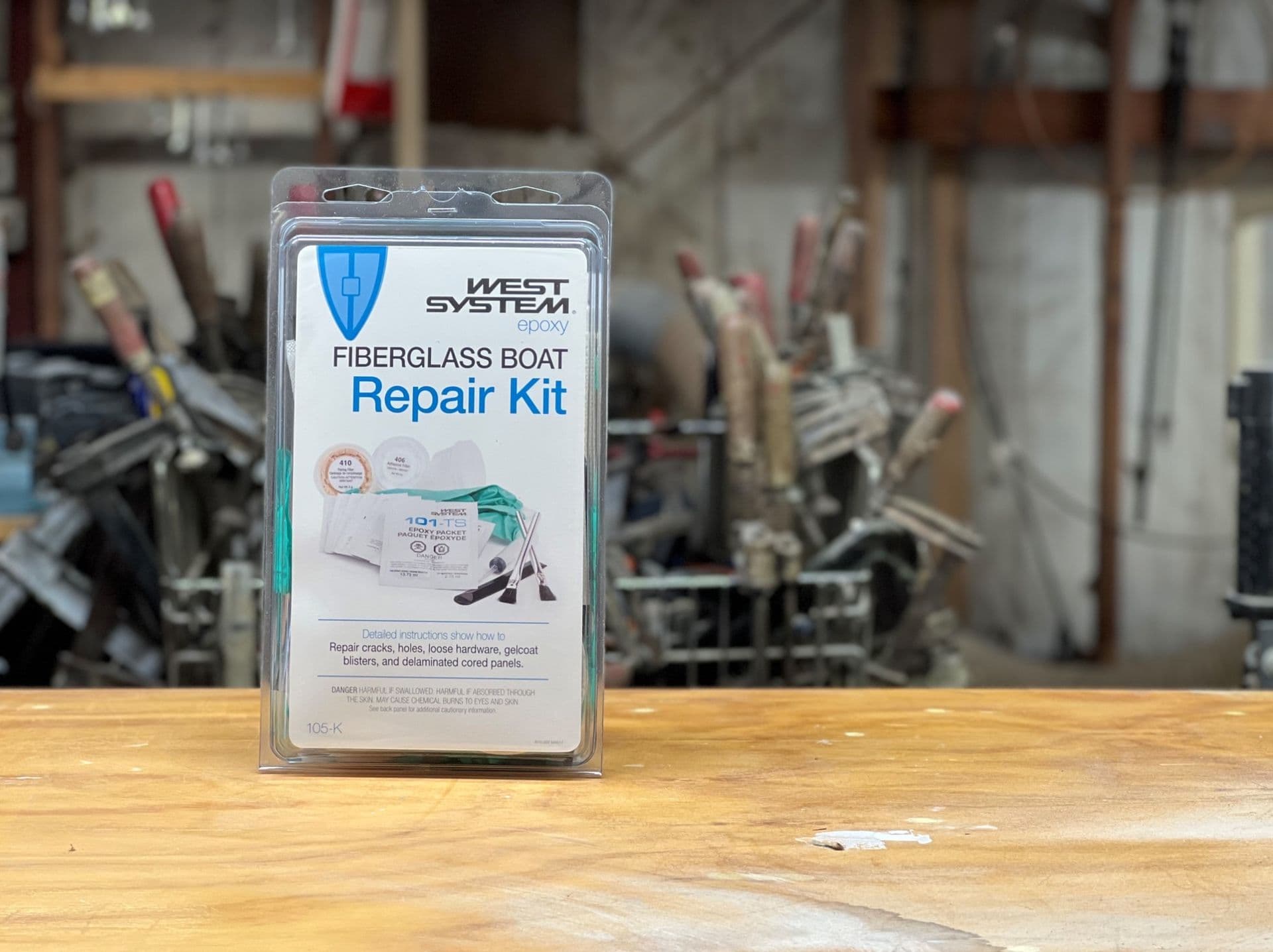
We use professional epoxy systems such as WEST SYSTEM and PRO-SET for structural work. Epoxy bonds very well to existing laminate, resists water and stays strong, which matters most on repairs below the waterline. Fillers are chosen for the job: high-strength fillers for structural bonding, and lighter fairing fillers that sand easily for the final shape.
Cheaper materials can make the first invoice smaller, but a repair that cracks or lets water in will cost more to redo later.
Finishing: Often the Hidden Cost
Owners are often surprised how much of the work is in the finish. Getting a repair structurally sound is one job. Making it invisible is another. Matching faded gelcoat on an older boat, for example, can take several attempts and blending into the surrounding area. If the repair is below the waterline, the cost of priming and antifouling that patch is part of the job too.
How to Get an Accurate Quote
You’ll get a more accurate quote, faster, if you can tell us:
- your boat’s make, model and length
- where the damage is and how it happened
- a few clear photos – one close-up, and one from further back to show the position on the hull
- whether the boat is in the water or on the hard, and where
From photos we can usually give you an idea of what’s involved. A firm price normally needs a look in person, because the true extent of damage often only shows once we start sounding and cutting back.
Questions We’re Often Asked
Can I keep using the boat until it’s repaired? For cosmetic damage, often yes. For anything below the waterline, or any crack that might be structural, get it checked before you go out again.
Will insurance cover it? That depends on your policy and how the damage happened, so check with your insurer what they need before the work starts.
Will the repair show? A well-done structural repair should be as strong as the original hull. How invisible it is depends on finish matching. We’ll tell you up front what’s realistic for your boat.
Get a Fibreglass Repair Quote From MMR
Every repair starts with an honest assessment, so you only pay for the work your boat actually needs. Send us a few photos and we’ll get back to you. See our epoxy & fibreglass repairs in Malta, or read about epoxy vs fibreglass repairs.
Request a quote or send photos on WhatsApp.